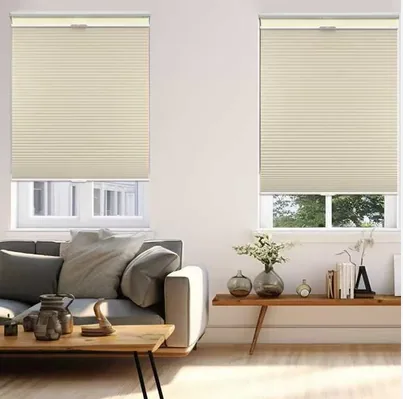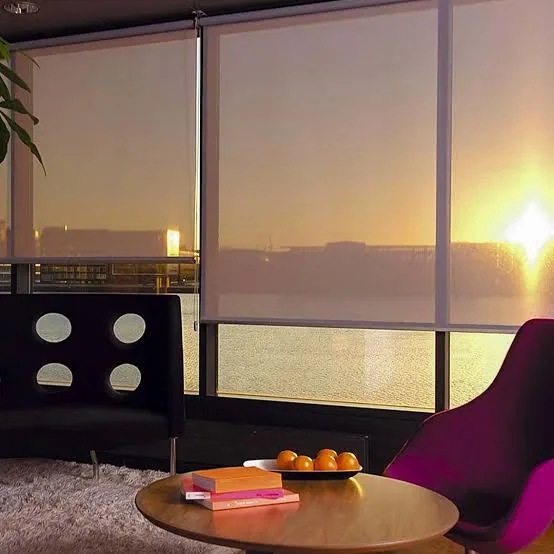
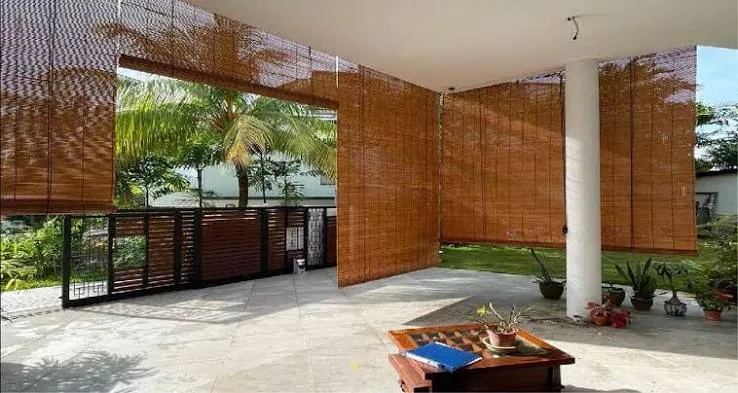
They're the same mechanism, different fabric
It's a common mix-up: 'blackout' and 'roller' aren't two competing product categories, they're two ends of the same one. A roller blind is simply a fabric wound onto a headrail — the fabric itself can be sunscreen, dim-out, or blackout. The real decision is which fabric weight suits the room.
When a sunscreen or dim-out roller wins
Living rooms, kitchens and home offices generally do better with a sunscreen or dim-out fabric. Sunscreen fabric keeps a visual connection to the outside — you can still see out, just with glare and heat cut down — which matters in rooms you use during the day. Dim-out sits between the two: noticeably darker than sunscreen, without fully sealing the room.
When blackout is worth the extra step
- Bedrooms where you want the room genuinely dark regardless of the hour outside.
- Nurseries, so nap times aren't dictated by how bright the afternoon is.
- Home cinemas or media rooms.
- Shift-worker households sleeping during daylight hours.
The trade-off is straightforward: blackout fabric blocks the view along with the light, so it's a poor fit for a room you spend your waking hours in with the blind down. For most homes, the practical answer is both — sunscreen or dim-out through the living areas, blackout in the bedrooms.
What actually helps with the AC bill
Both fabric types can be specified with a thermal or heat-block backing, which is the detail that affects your cooling costs more than the openness percentage alone. If reducing heat gain is a priority — particularly on west-facing glass — ask specifically for the thermal-backed version of whichever fabric weight you choose.